Many of us have been in situations where we can’t decide what to do. What if I regret it? What if I make the wrong choice? These are questions that go through my head when making stressful decisions. Maybe it is as simple as choosing to turn right or left, yet sometimes I still look back and feel as if I should have picked the other choice. It makes sense; it’s hard to be certain about a choice when you are confused by your own thoughts and emotions, those of others, as well as pressures from cultural, societal or academic norms.
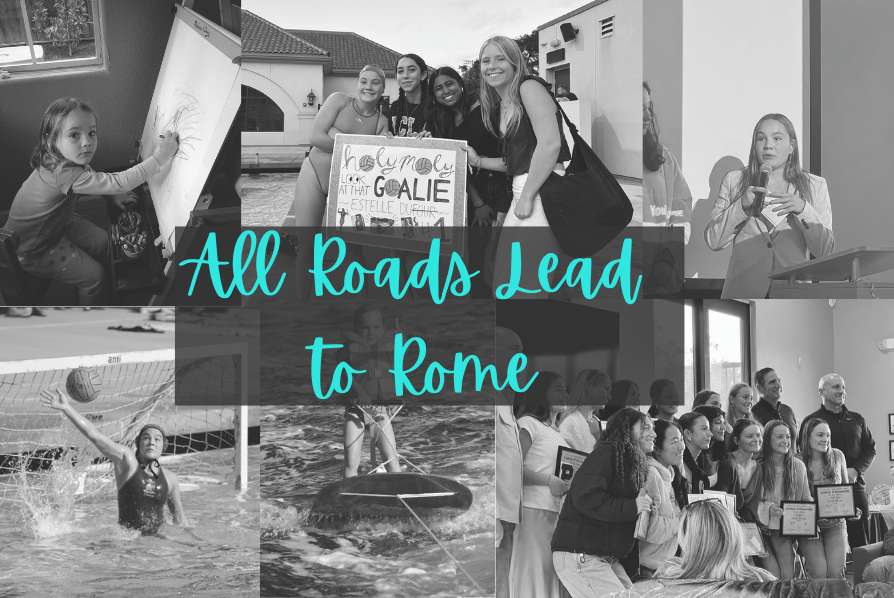
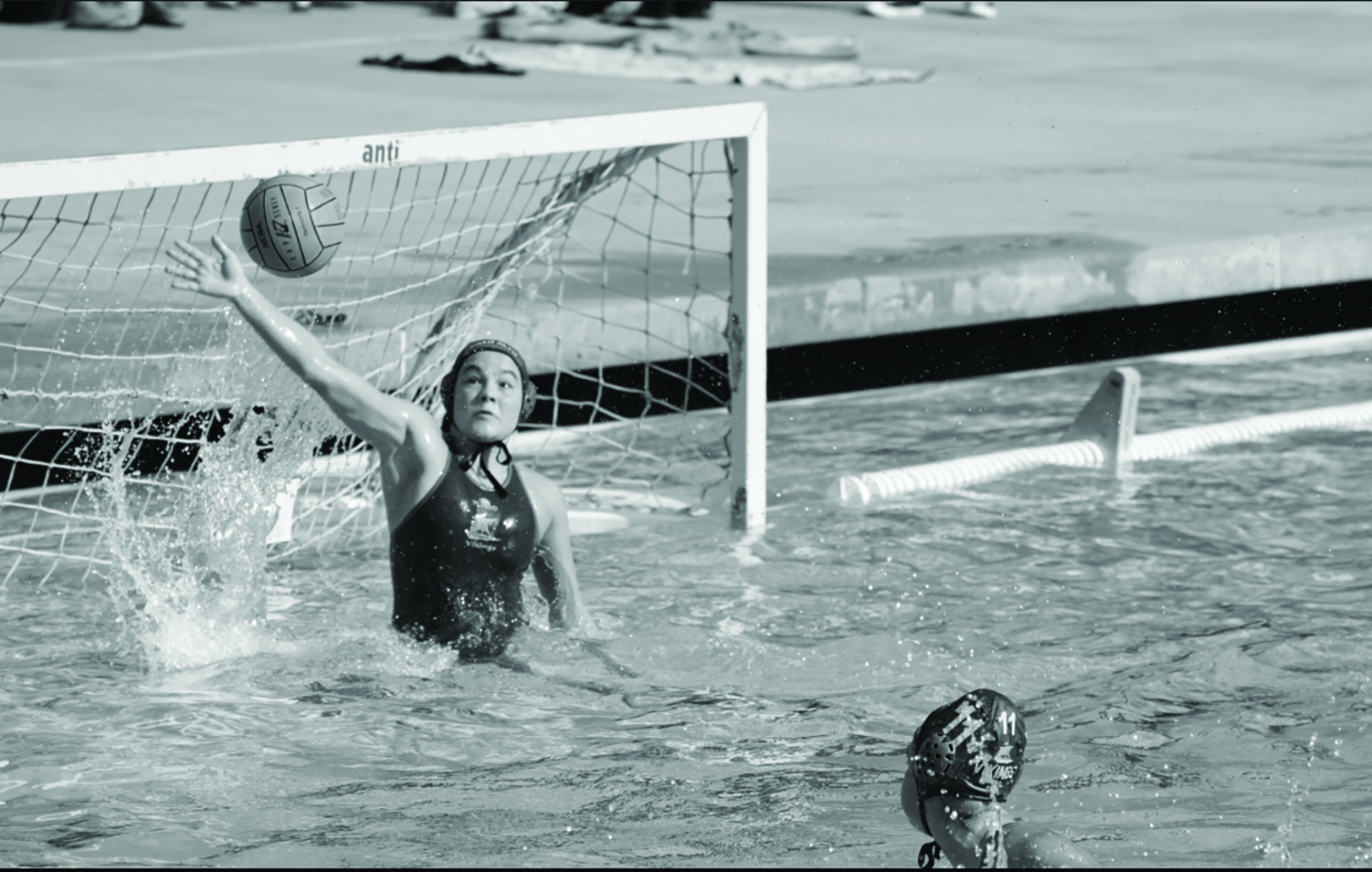
I was presented with the opportunity to switch from being a shooter to a goalie in water polo during my sophomore year. I had been playing for about five years and this switch would mean to lose — or to restart — most of the progress I had made as a field player, which involved shooting and switching from offense to defense. However, since our team did not have a goalie anymore, my decision mattered for the team’s future. Playing against steep competition, our team needed someone who could anchor the team as a last line of defense.
For a while, I was torn. I had never pictured myself playing as a goalie. I had no training, and I was worried that I would not be good enough to be varsity-level if I took that role. The pressure was high as our first games loomed just a month away.
I decided to seek out advice; I talked with my parents, past coaches and peers. My parents advised me to pick the outcome I would enjoy the most, since it would motivate me to put in effort. My coaches gave me full freedom to pick for myself and others emphasized that I should prioritize the team. Ultimately, I became a goalie — I was up for the challenge and the opportunity to support my team.
One of my best friends introduced me to a theory she calls the “Never Would Have Happened” theory. Essentially, she has this optimism that any decision you make, as long as you picked it, will bring you down a path you won’t regret — you will encounter people you never could have met otherwise, experience outcomes specific to that decision, and learn incomparable life lessons. These never would have happened if you hadn’t made that choice. Even still, you can turn a regret into something right for you by seizing opportunities that arise, such as joining a new organization or reaching out for advice.
However, it’s obvious that the hardest part of decision-making is not looking back on what could have happened, but is instead the process of making the actual decision. So how do you make hard choices? I believe the answer lies in the balance of your priorities, values and the type of change you want to see in your life.
I’ve always looked toward two things when making these hard choices: my heart and y mind. To me, the heart helps make decisions that bring happiness and a sense of purpose and fulfillment. The mind helps make logical, strategic and more analytical decisions that consider the whole picture, not just an instinct-driven decision.
Through that mindset, look within yourself first — your intuition, heart and mind — when making a choice. If they clash, like you’re tugging yourself in opposite directions, that’s when you should look towards the future and ask yourself who you could be in your new position. Make the decision from the perspective of the person you want to become.
Of course, this too can be complicated. Answering the question “Who am I truly?” is hard; the answer is fluid and changing as you move through different stages of your life. So with these future-orientated decisions, I recommend that you aim to keep the parts of yourself that match your values, priorities and preferences. Make the decision that will allow you to keep your favorite parts of yourself.
There’s an immense pressure from all kinds of people to make the “right” decision, so remember to take the time to find what’s right for you. Choices will rarely be right versus wrong, nor will they necessarily be easy or hard. In water polo, I took the time to train and make the position into a place where I can be comfortable and confident. So take the time to make something work out and you will find that it will become right for you.