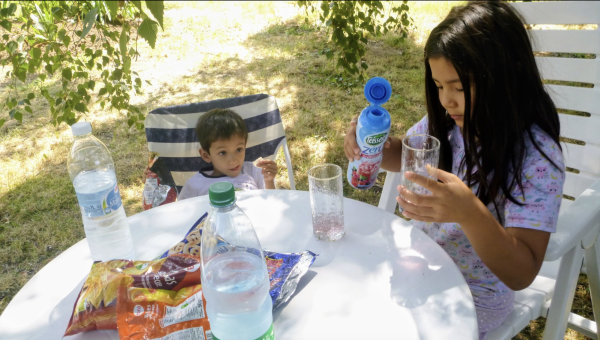
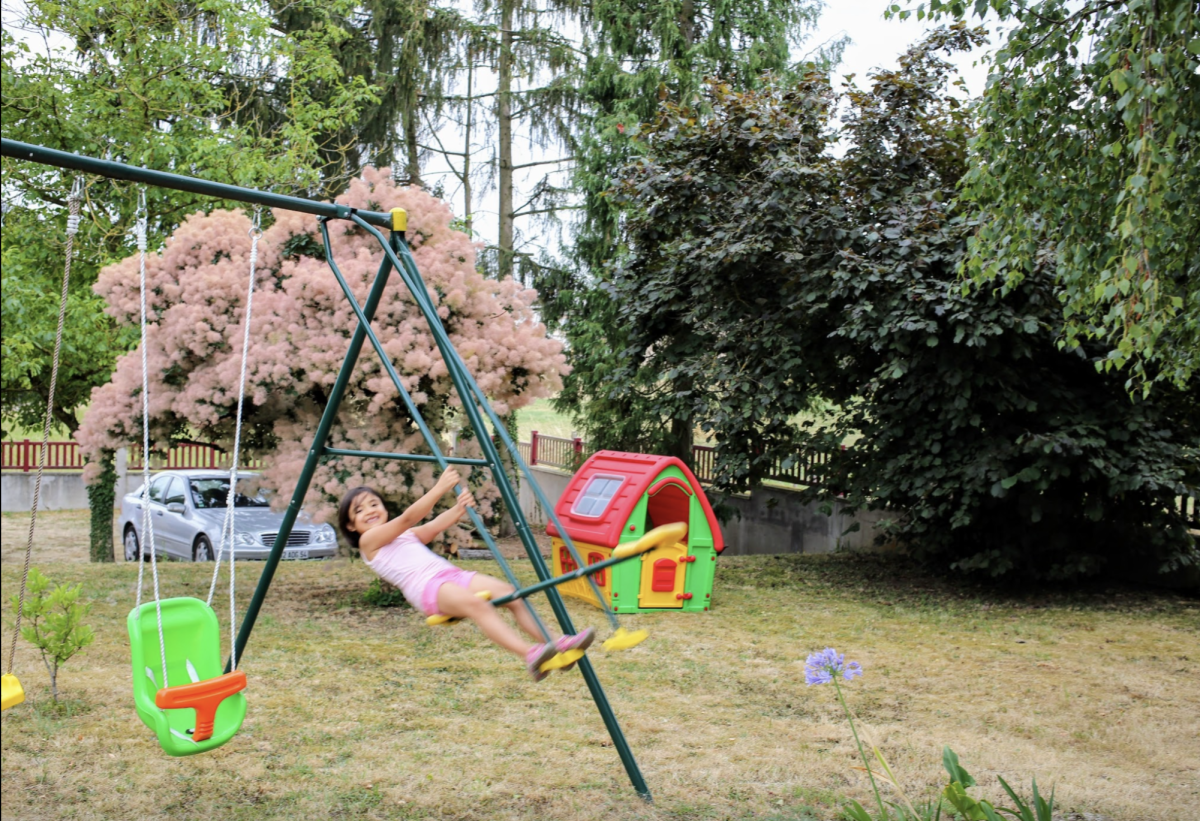
As I pop open my can of cold Sprite, the quiet fizz of the soda soothes my ears, and the crackles from the ice leave my mouth even more parched than it already was. With my big glass reaching my mouth, and the cold sparkling liquid slowly flowing down my throat, a familiar feeling starts to surface. Suddenly, I’m back on a hot summer afternoon, gulping that same cold Sprite, after chasing my brother around my grandparents’ backyard for hours. The large hill, the plastic swing set and the water balloons we used to throw at each other – these all feel so small and distant now, but I swear that at that moment, it feels as if it was just yesterday. That Sprite and its cold relief feel earned now, just like back then, even though I’m just sitting quietly in a library studying for my math test.
There’s a well-known expression in French — “madeleine de Proust” — which refers to the way memories can be triggered through sensory experiences, like tastes or smells. This phrase comes from Marcel Proust’s “In Search of Lost Time.”
Born in 1871, Proust was a French author whose work is still regarded as a masterpiece of fiction, according to Britannica. He was known for his monumental pieces on memory, time and love — themes that remain relevant today.
For Proust, the simple act of dipping a small cake, called a “madeleine” in French, into his cup of lime-blossom tea unexpectedly brought him back deep into a specific childhood memory: Sunday visits to his aunt’s house.
Proust’s madeleine isn’t just about memory itself. The key point is how memories appear unexpectedly. The madeleine triggered these memories outside of Proust’s control and without any deliberate effort. An ordinary action or object, like drinking Sprite or a small piece of cake, can activate a cherished moment from the past and make it present again. For many of us, taste and smell unlock these memories we didn’t even realize we had deep down.
This doesn’t only occur with taste and smell, though. For many, music or something visual like colors or textures can also bring back memories. It’s really about how ordinary and everyday objects carry meanings or memories that surface when we experience them again. As humans, we can’t consciously hold onto all of our memories. Instead, objects carry these keys to our memories.
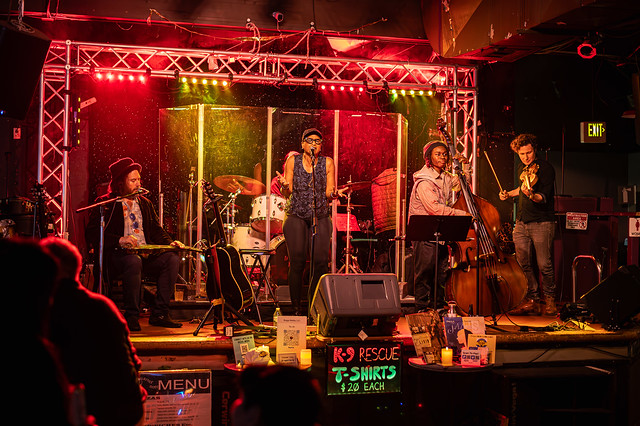
For me, music brings me back to dancing in the middle of the night alone in my room (when really I should have been putting away piles of clothes left after being indecisive about my outfits every morning). The song Valerie, by Amy Winehouse, brings back memories of learning how to drive with my dad, since music has always been an important connection between us. The color yellow brings me back to the first day of school. The bright sun and the excitement of seeing my friends made it the best day of the school year. The color blue reminds me of the blue walls in my room, a decision I had made when I was in second grade. I’m not sure if I can say I don’t regret it, but I’ve learned to feel safe and calm when I see the color. And the sweet smell of butter, flour and chocolate baking in the oven takes me back to fourth grade, coming home from school to find my mom baking chocolate chip cookies, and having to wait for what felt like hours to eat them, only after dinner and if I finished my veggies.
Maybe our cultures, lives and memories survive not because we choose to preserve them carefully, but instead because we tend to return to them without deliberately trying to, or even realizing we could. For Proust, it was a madeleine; for me, a can of bubbly, ice-cold Sprite. Everyone has their own version of that small cake dipped in tea. Without us even realizing it, these small and ordinary objects carry memories that feel personal and somehow missed. Through these brief moments of remembering, we realize that the past isn’t really gone; rather, it can be triggered and felt at that moment again.