
As winter approaches and the semester comes to an end, students begin to wear their knitwear. Thick sweaters are being tugged over their shoulders, and fuzzy beanies are covering their ears — a closet staple that they made themselves. However, behind all these layers, there is more than just a seasonal fashion trend: Across Paly, students are rediscovering the art of knitting and crochet.
Knitwear has long been a way to protect people from the cold and to express their style through many variants of textures, products and colors. The hobby of knitting originated a long time ago. Without technology and the ability to occupy free time with “doom scrolling,” many had to resort to manual hobbies like knitting.
Vicky Wong, a Palo Alto grandmother, has been knitting for most of her life. As she aged, she noticed how the activity shifted over the years.
“Knitting became very popular during WW11, when women would knit gloves and socks for the servicemen overseas,” Wong said.
Knitting then shifted to being more of a hobby.
“Later, we spent our time during the winter [in New York City] knitting, crocheting and [having] other creative adventures,” Wong said.
Knitting has been around for a long time — across generations — and trends within the knitting world have altered, shifting from providing warmth for the winter months to being on the rise in DIY culture in recent years.
For junior Nava Schwarzbach, knitting carries both charm and family significance.
“I love wearing knitwear; it’s a fall tradition forme,” Schwarzbach said. “I love thrifting jumpers and inheriting some from my family.”
Despite just being enamored with the calming aspect of knitting, Schwarzbach enjoys the experimentation that comes with creativity. This experimentation comes from changing various aspects of a piece’s pattern — the instructions for making a knitted item, where you can modify it to change the texture, size, or design.
“I mainly like watching YouTube videos, but you can buy patterns off of Etsy or find free ones on Pinterest,” Schwarzbach said. “If you’re good enough, you can figure it out through a photo.”
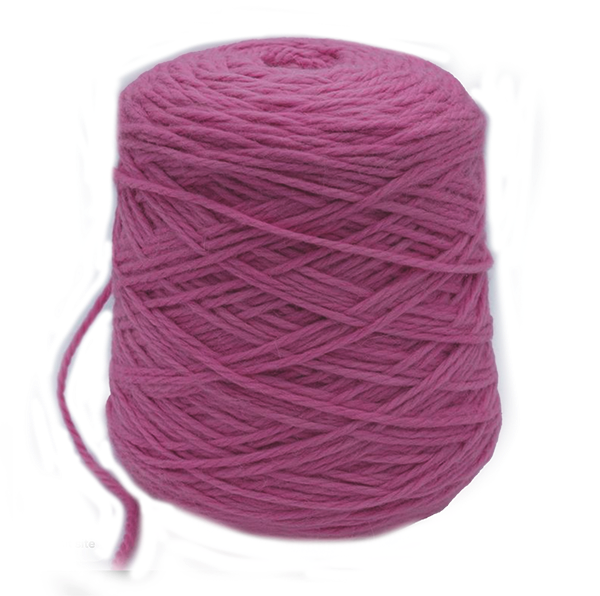
Many people who wear handmade sweaters, gloves and scarves, among other items, haven’t thought about how much time and effort have been put into it. Throwing on a favorite sweater might feel like an easy choice, but the actual process of making a sweater is not so simple. Sweaters take days, sometimes months, to make due to the sheer amount of patience and attention each stitch requires. And the time that it takes for people to create a project is often overlooked.
“I never realized how much time is put into it, the hours of looping the yarn,” Schwarzbach said. “When you buy something from a store, it is easy to forget there’s a person behind all the work.”
Though even small projects may take hours, the time spent is often a big part of the appeal. The slow and deliberate process provides an outlet for students to focus and unwind.
Many students, like Schwarzbach, enjoy knitting just for this reason. She believes that the slow pace contributes to its appeal and relaxation factor.
”It’s really repetitive, so you can fall into a calming pattern,” Schwarzback said.
The hours of relaxing tasks are paid off by seeing a finished product.
“I feel excited to use it or wear it [the handmade items],” Schwarzbach said. “It feels really nice to be able to make functional things fully by hand.”
Just like many people in previous generations, senior Rena Kim has found a love for crochet — a craft that uses a single hook to create loops and shapes to create a variety of different items and garments.
“I always saw crochet videos on Instagram and I thought to myself, ‘That looks so fun; I want to do that,’” Kim said.
Kim followed her curiosity and decided to pursue her interest, so she decided to join Paly’s Crochet Club.
At Paly, Crochet Club provides a place for all students who are hooked or curious about crocheting to learn, share ideas and work on projects together.
Senior Veronica Qiu, the president of Crochet Club, has created various projects for her club in the past — all to share the love and spirit of crocheting across the Palo Alto community.
“We gave out little hearts on Valentine’s Day and made stars for staff appreciation week,” Qui said. “We have also done beanie donations for hospitals.”
Similar to knitting, while it might look simple, mastering these skills to complete a final product requires a significant amount of time and patience. Even a small crochet heart can take one to two hours to create, making it a very time-intensive craft.
“When I start a project, I’m usually doing it for a few hours every day, up to five hours,” Kim said.
Without knowing the dedication that goes into crocheted or knitted goods, many people undervalue the price of these handmade items. In a society where demand for cheap and trendy fashion has taken over, clothing cycles have become quick, prioritizing micro-trends and the cost of the item rather than quality clothing.
“When people share or sell stuff they crochet online, many people will complain, saying that it’s too much money,” Kim said. “But then, if you think about how much time they’re putting into it, and then you multiply that by minimum wage. It makes sense how much they’re charging.”
Handmade items offer a uniqueness that can not be acquired from any machine. The story behind the item reflects a sense of connection between the creator and the customer. In a world where fast fashion trends come and go, these intricate handmade pieces allow people to slow down and enjoy what they create through the art of knitting and crochet.
“Knitting machines have taken the place of handcrafted garments,” Wong said. “But luckily, there are still many people who enjoy the beauty of creating something special.”