To many, the concept of “endangered animals” is just a label. It’s a term they have heard about sea turtles, white rhinos and red pandas. Some want to help and might consider donating to organizations such as the World Wildlife Fund (WWF). Some are indifferent. But most fail to realize that here too, there are many endangered species that call the Bay Area home. Many reside in wildlife havens like the Palo Alto Baylands.
“A lot of people don’t realize that [species are being endangered] locally,” Paly junior and president of the Baylands Restoration Club Blake Bowen said. “It’s happening everywhere. We should be aware that endangered species can be anywhere, including the places we live.”
However, this safety is deeply vulnerable to external pressures such as habitat destruction, sea level rise, pollution, invasive species and more. The scale of the loss the bay has faced is already massive, explains Cole Wan Jower, a senior ecologist with the San Francisco Bay Bird Observatory (SFBBO).
“We’ve lost up to 90% of our tidal marsh wetlands in the Bay Area,” Jower said. “That’s part of [Bay Area endangered species’] huge decline.”
A major population boom and shift towards this area started in the 1850s for the California Gold Rush, and yet again for the Tech Boom starting in the 1970s. As more people moved in, the land available for wildlife quickly decreased. Land was converted into industrial zones and residential areas, leaving little for the wetlands. Director of habitat conservation at SFBBO Eric Lynch mentions another anthropogenic source — any origin of pollution or environmental change stemming from human activity — affecting this ecosystem: the rise in global warming.
“As sea level rises, everyone’s predicting that the habitat that they [animals] have will get smaller and smaller,” Lynch said.
Human-caused issues have had a considerable impact on our local environment, Bowen reiterates.
“Basically, everything that’s happened to hurt the Baylands is because of us,” Bowen said. “We, as humans, have destroyed the habitat that a lot of these animals live in.”
According to the WWF’s 2024 Living Planet Report, vertebrate wildlife populations — which includes mammals, fish, birds, reptiles and amphibians — have declined by an average of 73% since 1970 with habitat loss being the dominant driver for these declines.
This loss results in devastating outcomes for organisms in the impacted environment, such as struggles to find shelter, food and mates. All of this makes species more vulnerable to environmental or human-caused changes. Especially in the Bay Area, where habitats are stuck between the bay and nearby mountains, these impacts take a toll on local species.
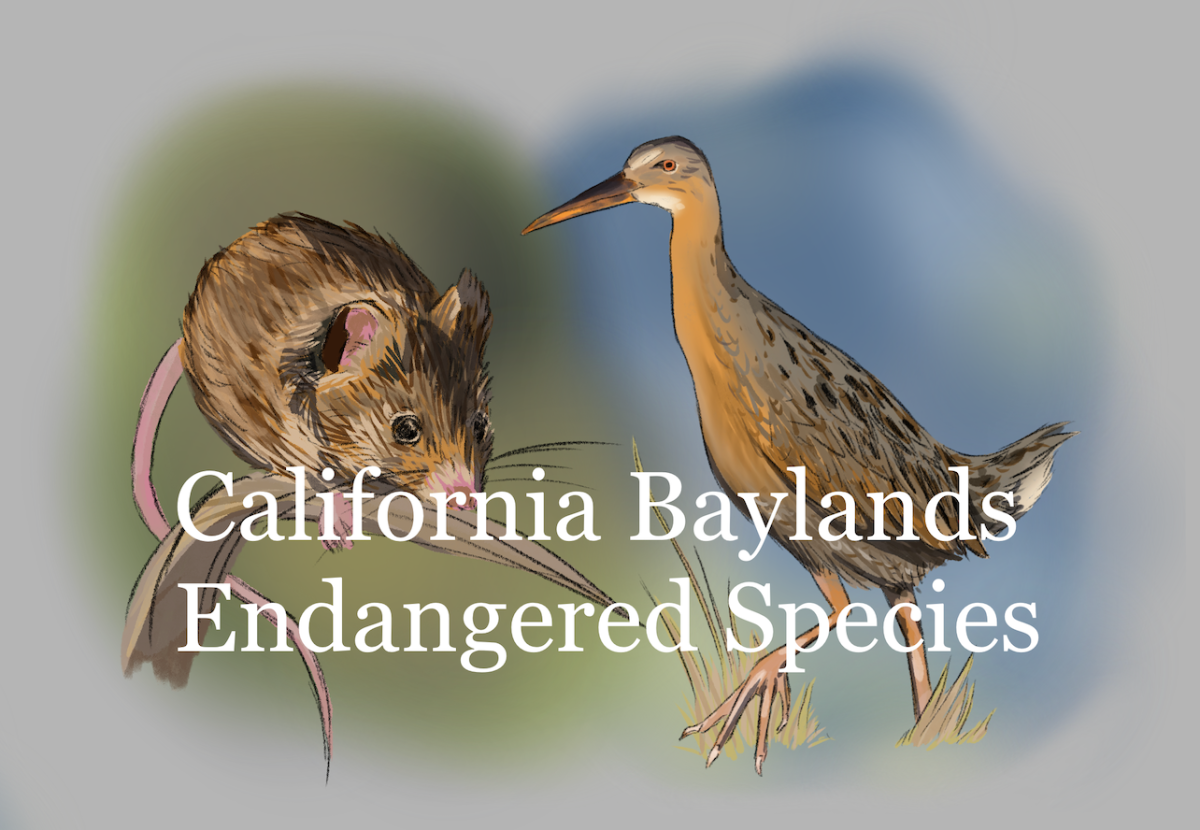
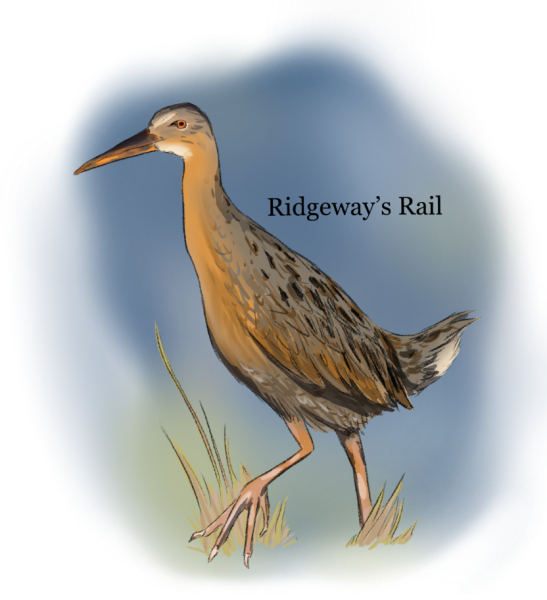
According to a 2020 peer-reviewed study in Ecology and Evolution, “the salt marsh harvest mouse is the only mammal in the world entirely endemic to coastal marshes, and currently occupies less than 25% of its historic range due to habitat fragmentation and loss.” The salt marsh harvest mouse is one of the many species that inhabit the Baylands. The California Ridgway’s rail, another species exclusively found in the tidal marshes of the San Francisco Bay, is also at-risk. Both species are federally and state-listed as endangered species.
Since Bay Area marshes now exist in a narrow band between the bay and urban sprawl, much of the conservation work being done is focused on expanding and preserving the area and native plants in it.
“There’s some focus on how we can help marshes migrate inland,” Lynch said. “But then also working with levees to make [them] habitats for the Ridgway’s rail. So perhaps as part of flood risk management for human populations, you can include some habitats for [animals.]”
As of November 2025, a whooping area of 58,000 acres of tidal wetlands in the Bay Area have been restored, according to KQED report. Despite this, the persistent problem of habitat fragmentation still remains. Habitat fragmentation is the breaking apart of large, continuous ecosystems into smaller, isolated patches.
“The larger thing is that there’s not a lot of connectivity between intact tidal marshes,” Jower said. “So there’s not a lot of dispersal mechanisms for Ridgway’s rails to increase their genetic diversity.”
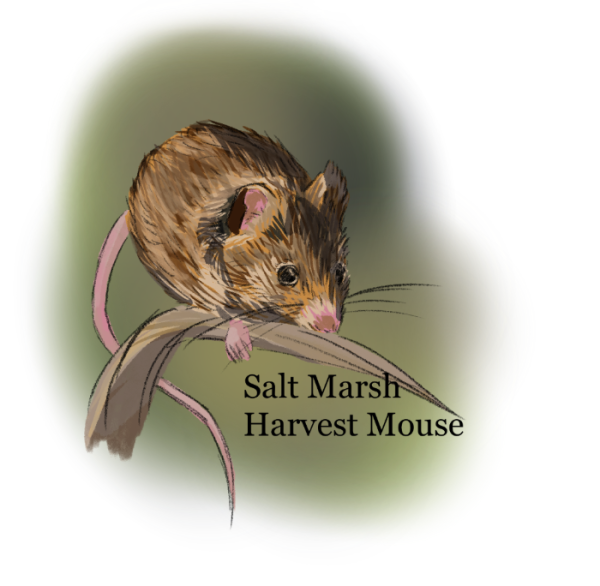
But with the right vegetation, newly restored habitats can provide dense, complex structures for endangered species such as the Ridgway’s rail and harvest mouse to hide in, especially when they are pushed out of their normal habitat range. Lynch believes that in recent years, the salt marsh harvest mouse has shown up in newly restored tidal marshes.
“What makes me optimistic is the level of public support within the Bay Area,” Lynch said. “There are hundreds of people working together to restore the tidal marshes in the Bay Area right now.”
Organizations such as the San Francisco Bay Bird Observatory, Save the Bay and Grassroots Ecology continue to involve local communities in wetland restoration efforts. Volunteers can contribute by planting native vegetation and removing invasive weeds. Bowen, who volunteers with Save the Bay and Grassroots Ecology, recommends these organizations to students because of their flexible schedules and low time commitment.
“You can just go out on a weekend, spend a few hours in the bay [volunteering] with them, and that’s really all that’s needed,” Bowen said.
As recent federal funding cuts threaten resources for habitat conservation, even just using the local Baylands for recreation can be useful.
“The more people use [the Baylands], the more politicians will know that they need to protect those spaces,” Lynch said. “You can kayak, you can walk, you can bird, you can bike — there’s tons of ways you can enjoy your local Baylands, and any of those things will help support their continued existence and health.”
Restoring tidal marshes and the habitats that surround them benefits not only endangered species, but creates a space for people to engage in and with nature.
“The Baylands are the natural area that we live in,” Bowen said. “We live around this place that has all this nature and beauty and it’s really important that we preserve that.”